The Dark Side Of AI: Privacy Risks You Should Know Today
Author:Mike Fakunle
Released:October 15, 2025
AI privacy has become a major worry as more tools gather personal data in ways many people never notice. The risks grow each year, and users want clear answers about how their information is handled.
Many people use AI tools at home, at work, at school, and in mobile apps. This makes it easy for hidden systems to follow digital habits. Learning how these tools track personal data helps users build better digital privacy and stronger data protection.
How AI Collects Personal Data Without Most Users Noticing
Quiet Data Collection Through Daily Apps
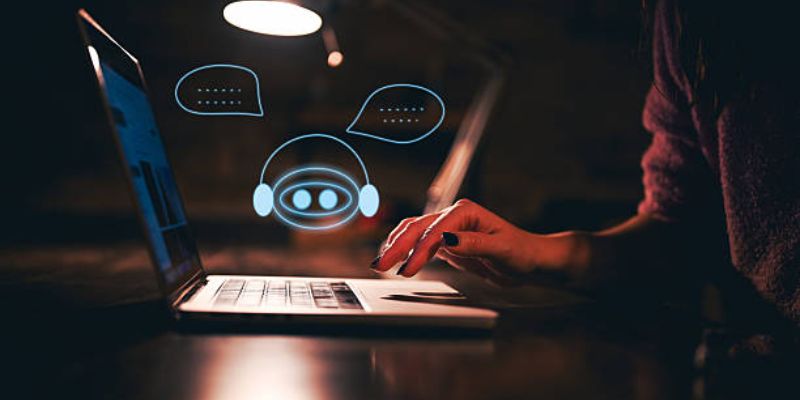
Many apps with AI features gather personal data each time users type, speak, or browse. Even simple tools collect location, device activity, and text patterns that affect AI privacy.
Data Tracking Built Into AI-Powered Features
Autocomplete tools, voice assistants, and smart filters gather details that shape behavior profiles. These systems learn patterns to improve AI security, but the data they store can pose serious risks.
The Hidden Systems Behind “Free” AI Tools
AI tools often send personal data to cloud servers. These systems may mix user content with large datasets. This raises concerns about digital privacy because users cannot see how long their data is stored.
The Most Serious AI Privacy Risks You Should Know
AI Models Storing Sensitive Information
Some AI models hold small pieces of what users type. This can expose personal data when models respond in ways users did not expect.
Facial Recognition And Biometric Tracking
City cameras, school scanners, and airport gates use AI to follow faces. The risk increases when these tools store identity patterns with weak data protection rules.
AI Systems Predicting Behavior Too Accurately
AI can guess habits, spending patterns, and lifestyle choices. When this information shapes ads or decisions, digital privacy becomes harder to control.
Data Leaks From AI Tools
If AI systems store prompts or files, they can expose sensitive personal data during a breach. Even strong AI security systems cannot remove all risk from cloud storage.
How AI Privacy Risks Show Up In Real Life
Personal Data Shared Through Everyday Tasks
Typing into chatbots or searching with AI can reveal clues about health, money, or location. These clues help build data profiles that follow users across platforms.
Smart Home Devices Capturing Private Moments
Voice tools may record sounds, background talk, and movement patterns. This creates digital privacy concerns when recordings reach companies that track long-term behavior.
AI Used In Workplaces And Schools
Monitoring tools track screen time, keystrokes, and actions. These systems can feel invasive because users rarely know how much personal data is stored.
What Makes AI Privacy Threats Hard To Detect
AI Tools Running Silently In The Background
Many AI features run even when users do not open an app. This makes it hard to see where personal data flows.

Privacy Policies Written In Vague Language
Policies often hide how companies collect, share, or store information. Weak terms make data protection harder because users cannot clearly track their rights.
Limited User Control Over Data
Some platforms do not allow users to delete or limit the content they store. This weakens AI security because information stays active in training data.
How To Protect Yourself From AI Privacy Risks
Reduce The Data AI Tools Can Access
Disable unnecessary permissions in mobile apps. Tools from large companies, such as device settings, offer controls that limit location tracking, camera use, and microphone access.
Use Privacy-Friendly Habits
Avoid typing private numbers or photos into AI tools. Short prompts that hide personal data can protect digital privacy each time users interact with a model.
Strengthen Account And Device Security
Strong passwords and two-factor authentication reduce the risk of leaks. Guidance from trusted groups, like security tips, supports safer device habits.
Check Trusted Resources Before Using AI Tools
Reliable sites such as technology standards help users understand rules that shape AI privacy and data protection across industries.
What Experts and Leading Organizations Are Warning About
Predictions About AI Misuse
Many experts believe AI systems will grow stronger at tracking small digital actions. These predictions increase pressure to build better AI security.
Reports About Weak Data Protection Practices
Several reports show that rapid AI growth outpaces the pace of privacy laws. This gap means more personal data enters training systems before rules can catch up.
Why Global Companies Push For Strict AI Rules
Major companies now want tighter rules to protect digital privacy. These systems help limit hidden data sharing that users cannot control.
Future AI Trends That May Increase Privacy Risks
More Advanced Prediction Models
Future tools may be able to guess emotions, spending habits, and health clues. More accurate predictions raise AI privacy concerns because more detailed information becomes visible.
Expansion Of Biometric And Location-Based Tracking
Smart devices may track faces, hands, or movement across many places. This weakens digital privacy when data moves through large networks.
Rising Number Of AI-Based Decisions
Banks, schools, and hospitals may use AI for screening or scoring. When this happens, personal data may shape decisions without users knowing how the system works.
Why Staying Informed Helps Reduce The Dark Side Of AI
Staying aware of AI privacy helps users protect personal data in daily life. Understanding how quickly AI is advancing makes it easier to set boundaries and adopt strong data protection practices. Knowing how AI security works reduces the power of hidden systems that follow digital actions.
Sources
Don't Miss

10 Beginner-Friendly AI Tools Anyone Can Use In 2026

The Rise Of AI Personal Assistants: What They Can Do Now

AI In Fashion: How Brands Predict Trends Faster Than Ever

How AI Detects Fraud In Banking: Simple Breakdown For Beginners

How AI Helps Improve Video Quality and Editing: A Simple Guide For Better Videos
